Key things to check when picking a Niagara helicopter tour
Choosing a helicopter tour over Niagara Falls can be the highlight of a trip to the Canadian side, but not every flight experience is the same. The difference between a memorable ride and a merely okay one often comes down to a few specific details you check before you book. Knowing what matters most helps you make a confident choice and avoid surprises on the day.
Flight duration and what it covers
The length of the flight directly affects what you see and how relaxed you feel during the ride. Short flights of around ten minutes typically cover the Horseshoe Falls and the American Falls, then head back. Longer options of fifteen to twenty minutes often extend south along the Niagara River, giving you views of the Whirlpool Rapids and the deep gorge downstream. The extra time also means less rush to spot landmarks through the window. When you compare options, check the advertised flight time and the route description. Some operators list the total time from engine start to shutdown, while others list only the time spent in the air above the falls. Knowing which one you are getting matters for both the experience and the value.
Window seat availability and seating policy
A helicopter tour over Niagara Falls is a visual experience, and where you sit shapes that experience. Most helicopters used for scenic flights seat four to six passengers plus the pilot. Window seats offer clear views straight down and to the side, while middle seats mean you look past someone else. Some operators let you choose your seat at booking for a small fee, others assign seats on a first-come basis at the helipad. If unobstructed views are important to you, ask about the seating policy before you pay. A few companies also rotate passengers between the front and rear seats on longer flights, so everyone gets a window view for part of the ride. That arrangement can make a standard ticket feel fairer than a system where you have to pay extra for a decent view.
Helicopter model and cabin features
The type of aircraft used on the tour affects comfort, noise level, and visibility. Modern turbine helicopters are quieter and vibrate less than older piston-engine models. The cabin design also matters. Some helicopters have large bubble windows that give you a nearly panoramic view, while others have smaller side windows that limit your downward sightline. You do not need to be an aviation expert to notice the difference. Look for the make and model listed on the tour operator's website. If the information is not there, a quick search for that model along with the words "window view" or "cabin layout" will show you what to expect. Larger helicopters with more seats may feel less intimate but often offer better legroom and wider windows. Smaller machines can feel more personal and give a closer connection to the landscape below.
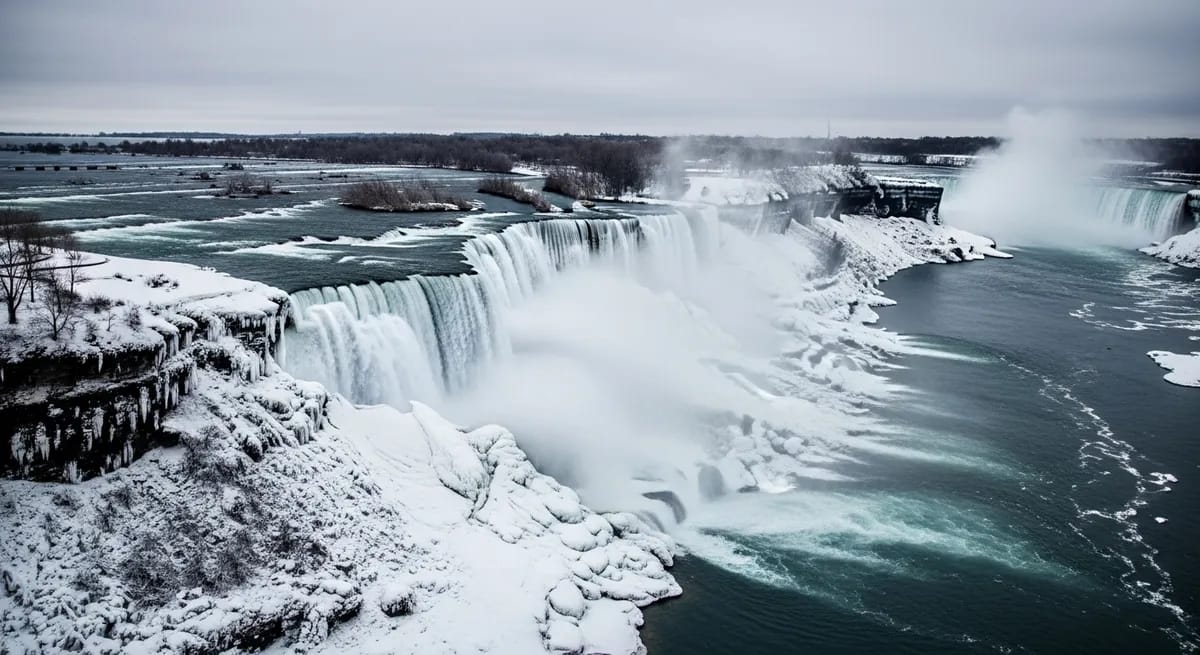
One more cabin detail worth checking is whether the helicopter has a headset communication system. Many tours provide noise-cancelling headsets that let you hear the pilot's commentary clearly. That commentary usually points out landmarks like the Horseshoe Falls, the American Falls, and the Whirlpool Rapids as you pass over them. Without a good headset system, you miss that layer of information and the ride becomes just a loud sightseeing trip.
Safety briefing and pre-flight procedures
Reputable helicopter tour operators take safety seriously and make that visible from the moment you check in. Before boarding, you should receive a proper safety briefing that covers how to approach the helicopter, how to fasten the seatbelt, where the emergency exits are, and what to do if you need to get the pilot's attention during the flight. Some operators also show a short video or demonstrate the safety equipment on the helicopter. The briefing does not need to be long, but it should be clear and delivered by a staff member who seems comfortable with the information. If the check-in process skips the briefing entirely or rushes through it without giving you a chance to ask questions, consider that a red flag. A thorough briefing is a sign that the operator values passenger awareness as much as the scenic experience.
Weather policy and rescheduling terms
Helicopter flights over the falls depend heavily on weather conditions. Fog, low clouds, strong winds, or rain can change the flight experience or force a cancellation. Before you book, read the operator's policy on weather-related changes. Some companies allow you to reschedule for free if the weather does not cooperate, while others may offer a refund or a credit. A few operators fly in light rain but cannot guarantee the same views as a clear day. Understanding the policy ahead of time saves frustration if the forecast looks uncertain. It also helps you decide whether to book in advance or wait until you are in the area and can see the conditions yourself. If you are visiting during a season with variable weather, a flexible policy is worth more than a slight discount on a strict one.
Photo and video opportunities during the flight
Most passengers want to capture the view from above the falls, but helicopter windows can create challenges for photography. Reflections from the glass, glare from the sun, and the angle of the window all affect how your photos turn out. Some operators clean the windows before each flight, but others may not. If taking your own pictures matters, look for a tour that mentions photography tips or window quality. A few helicopters have windows that open slightly or are made of material that reduces glare. You can also ask the operator before booking whether they recommend any camera settings or lens types for the best results. If you prefer not to handle a camera during the flight, some tours offer a video recording of the flight or a photo package taken by the pilot or a ground crew member. Those options vary by operator, so check what is available if you want a keepsake without the hassle of shooting through glass.
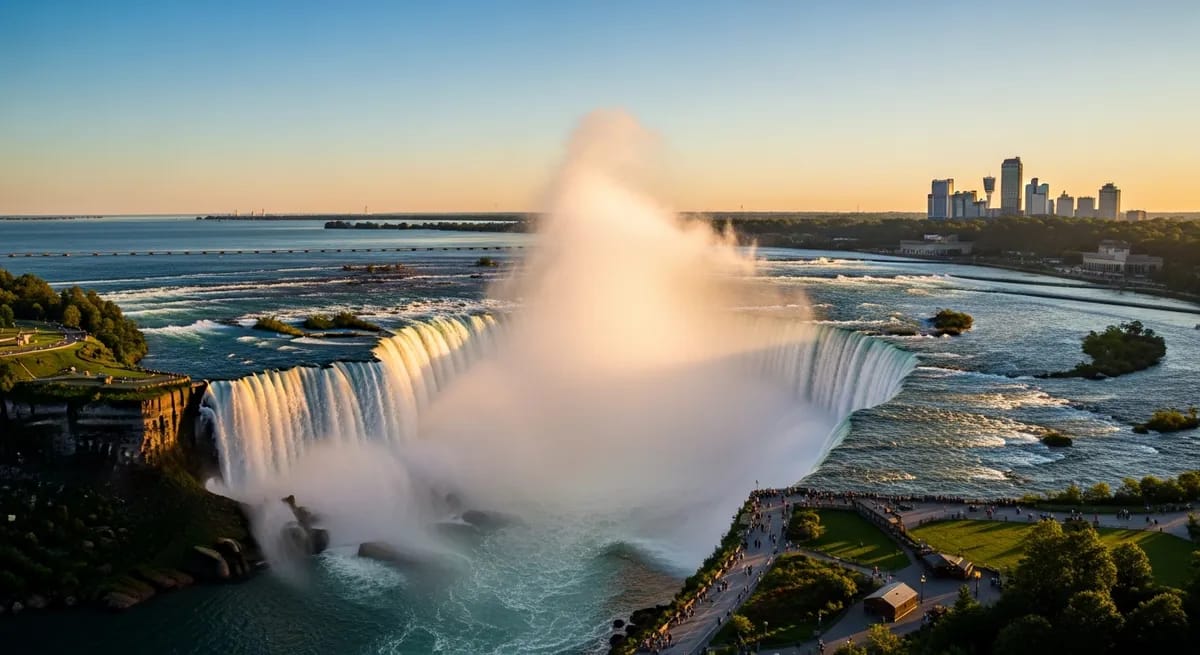
The choice of time of day also affects photo quality. Early morning and late afternoon light tend to produce warmer tones and fewer harsh shadows on the falls and the gorge. Midday sun creates strong contrast and can wash out the spray from the falls. While you cannot always control the time slot, keeping the light in mind helps you pick a departure that matches your expectations.
What other passengers say about the experience
Reviews from recent passengers give a practical sense of what a tour is really like. Look for comments about the pilot's commentary, the smoothness of the ride, the condition of the helicopter, and the professionalism of the ground staff. Pay attention to patterns. If multiple reviews mention that the flight felt rushed or that the windows were dirty, those are likely consistent issues. If reviews talk about a friendly pilot who pointed out landmarks clearly, that is a good sign. Focus on reviews that describe the actual flight experience rather than just the booking process or the parking situation. A few reviews from passengers who have taken multiple tours in the area can also help you compare operators on the same route.
One more thing to check in reviews is whether the operator runs the flight as advertised. Sometimes a tour listed as a twelve-minute flight ends up being shorter because the pilot takes a direct route back. That difference matters less on a clear day but can feel disappointing if you were expecting a certain amount of air time. Consistent feedback about flight length gives you a realistic picture of what to expect.
Putting it together for your choice
When you have checked flight duration, seating policy, helicopter model, safety briefing, weather terms, photography options, and passenger feedback, you have a clear picture of what each tour offers. The goal is not to find a perfect option but to find one that matches your priorities. If a longer route over the Whirlpool Rapids matters more than a window seat guarantee, you might choose differently than someone who values a quiet cabin over everything else. Knowing your own preferences makes the decision easier.
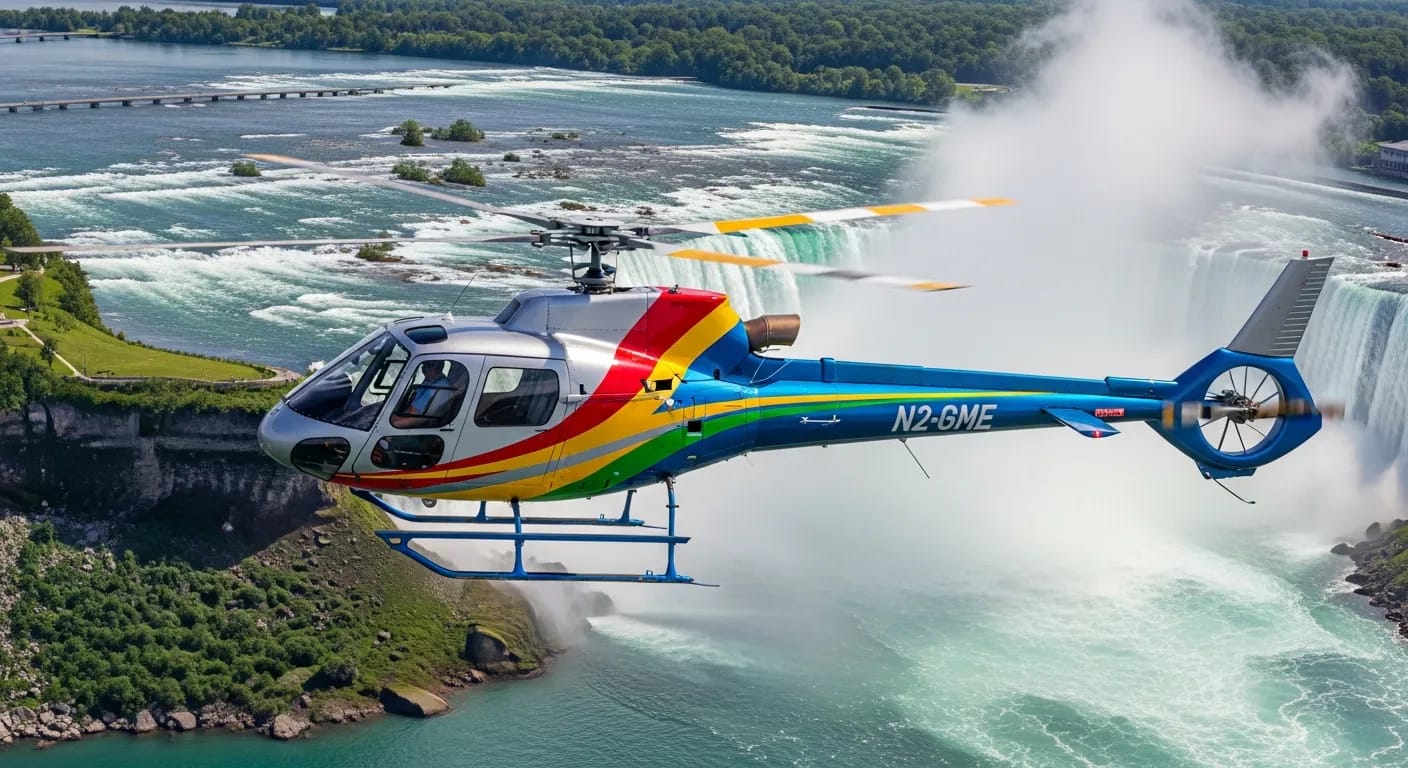
Taking the best helicopter tour niagara falls canada means matching the details of the flight to what you actually want from the experience. Whether you care most about seeing the Horseshoe Falls from directly above, hearing the pilot explain the geology of the gorge, or simply getting a smooth ride with clear views, the right tour is the one that checks your boxes. A little upfront research turns a good booking into a great memory.
Before you confirm your reservation, take five minutes to run through these points. That short review can save you from a tour that feels too short, too cramped, or too limited in views. The best helicopter tour niagara falls canada is out there, and knowing what to look for puts you in the seat that gives you the experience you came for.